The electrical panel (also called a breaker box or load center) is the heart of your home’s electrical system, and knowing when to replace it is important for both safety and functionality. Here are the key situations where replacement is worth serious consideration:
Safety Concerns : Highest Priority
- You Have a Recalled or Known-Dangerous Panel Certain panel brands have well-documented safety histories and are frequently flagged by inspectors and insurers:
-
- Federal Pacific Electric (FPE) Stab-Lok panels : Breakers may fail to trip during overloads, creating fire risk.
- Zinsco (and GTE-Sylvania Zinsco) panels : Breakers can melt and fuse to the bus bar, also creating fire risk.
- Pushmatic panels : Very old, parts unavailable, breakers wear out and may not trip properly.
If you have any of these, replacement is strongly recommended regardless of other factors.
- Frequently Tripping Breakers Occasional trips are normal, but if breakers trip repeatedly it signals the panel is being overtaxed or breakers are failing : both serious concerns.
- Breakers That Won’t Reset or Stay Reset A breaker that trips and won’t reset, or resets but trips again immediately, may be failing and no longer providing protection.
- Signs of Heat, Burning, or Scorching
-
- Burn marks around breakers or the panel door
- A burning smell near the panel
- Breakers or wiring that are warm/hot to the touch
Any of these are urgent warning signs requiring immediate attention.
- Visible Corrosion, Rust, or Water Damage Moisture intrusion into a panel is a serious hazard. Corrosion on bus bars or terminals increases resistance and heat.
- You Still Have a Fuse Box Fuse boxes are a sign of very old wiring. While not automatically dangerous, they lack the convenience and reliability of modern breakers, and many insurers won’t cover homes with them.
- Aluminum Branch Wiring with Older Panel Homes wired with aluminum branch circuit wiring (common in the late 1960s–70s) paired with an older panel create elevated fire risk at connection points.
Capacity & Demand : Functional Reasons
- Your Panel is 100 Amps or Less Older homes were often built with 60-amp or 100-amp service. Modern homes routinely need 150–200 amps or more. A 100-amp panel may struggle with today’s demands, especially if you have or plan to add:
-
- Central air conditioning
- Electric vehicle (EV) chargers
- Hot tubs or pools
- Large kitchen appliances
- Home additions or finished basements
- You’re Adding an EV Charger A Level 2 EV charger typically requires a dedicated 240V/50-amp circuit. Many older panels simply don’t have the capacity or available slots.
- You’re Adding Solar Panels or a Home Battery System Solar installations and battery backups (like a Tesla Powerwall) often require panel upgrades to accommodate the additional circuits and in some cases a new “solar-ready” or larger panel.
- Running Out of Circuit Breaker Slots If your panel is full and you need new circuits, you have limited options (tandem breakers have limitations). A larger panel with more slots is often the cleaner, safer solution.
- Major Home Addition or Renovation Adding a room, finishing a basement, building a garage, or adding an in-law suite significantly increases electrical demand and almost always warrants an evaluation of panel capacity.
- Upgrading to All-Electric Appliances Moving from gas to electric for cooking, heating, water heating, or clothes drying adds substantial load. A gas home converting to all-electric will almost certainly need a panel upgrade.
Age & General Obsolescence
- Panel is 25–40+ Years Old Electrical panels are generally rated for a 25–40 year lifespan. An aging panel may still function but could have:
-
- Worn breaker mechanisms that don’t trip reliably
- Outdated technology lacking modern safety features
- Difficulty finding replacement breakers if needed
- Buying or Selling a Home
-
- Buying : A panel inspection is wise. Certain panels will trigger mandatory replacement requests.
- Selling : An outdated or problematic panel can complicate sales, lower offers, or cause deals to fall through. Proactively upgrading can improve marketability.
- Your Homeowner’s Insurance Requires It Many insurance companies will refuse to insure or renew policies on homes with FPE, Zinsco, or fuse-box panels. Some require documentation of panel age and condition.
Efficiency & Modernization
- Consolidating a Messy or DIY-Modified Panel Older panels that have been modified over the years by various homeowners sometimes have:
-
- Double-tapped breakers (two wires on one breaker : a code violation)
- Mismatched breaker brands
- Poor labeling and organization
A new panel gives you a clean, code-compliant, well-organized starting point.
- Adding a Subpanel vs. Full Replacement Sometimes the right answer isn’t a full panel replacement but adding a subpanel in a garage, workshop, or addition. However, if the main panel is outdated or at capacity, full replacement is often the more sensible long-term investment.
What to Expect
-
- Cost : A typical panel replacement runs $1,500–$4,000+ depending on amperage, local labor rates, permit requirements, and whether the utility needs to upgrade the service entrance.
- Permits : Always required. Never skip this : it protects you legally and ensures inspection.
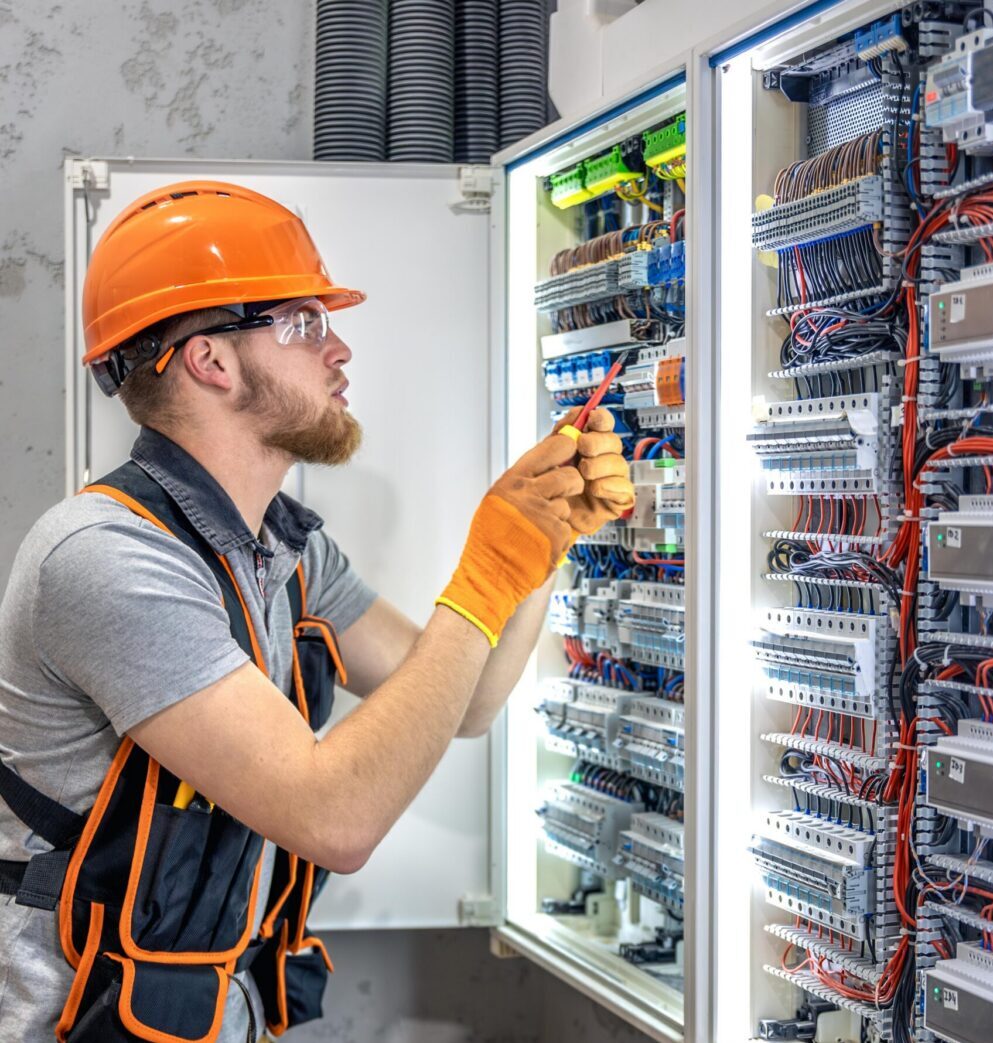
- Professional only : Panel work is not a DIY project. Always hire a licensed electrician. The utility must typically disconnect service before work begins.
- Timeline : Usually a one-day job for a straightforward replacement.
In Summary:
If your panel is over 25–30 years old, shows any safety warning signs, carries a known-problematic brand name, or can no longer meet your home’s electrical demands, replacement is almost certainly worth the investment. A modern 200-amp panel provides safety, capacity for today’s technology, and peace of mind for years to come. When in doubt, call Fast-ElectricalServices. We’ll be happy to evaluate your panel.